
Packaging is the only ad a shopper holds in their hands at the moment of choice. On the shelf and in a marketplace feed it decides in a split second: pick it up or scroll past. In this article we'll break down why your business needs packaging design, how marketplace packaging differs, how development flows stage by stage, what makes up the price and which trends work in 2026.
Why your business needs packaging design
Good packaging has three jobs, and all three are about money:
- Grab attention. Stand out among dozens of neighbours in a fraction of a second.
- Explain. What it is, who it's for, why it's better — without reading the fine print.
- Build trust. Tidy packaging reads as a "quality product," sloppy packaging does the opposite — even if there's an excellent product inside.
That's why packaging is better thought of not as a "wrapper" but as a silent salesperson: it works where there's no manager and no second chance at a first impression.
Marketplace packaging is a different story
On Wildberries and Ozon packaging plays by different rules than on a store shelf. The shopper first sees a tiny image in the feed, not a box in their hands. Hence the requirements:
- Legible as a thumbnail. If a 200×200 pixel preview doesn't show what it is and whose it is, the product gets scrolled past. Small details and thin fonts don't work here.
- A recognisable range. When a brand has several flavours or varieties, they should read as one family while still being easy to tell apart.
- Protection and logistics. Packaging has to survive the warehouse and delivery — a crumpled box kills the impression and breeds returns.
So designing "for the shelf" and "for the marketplace" are different tasks, and a good designer thinks about the preview from the very start.
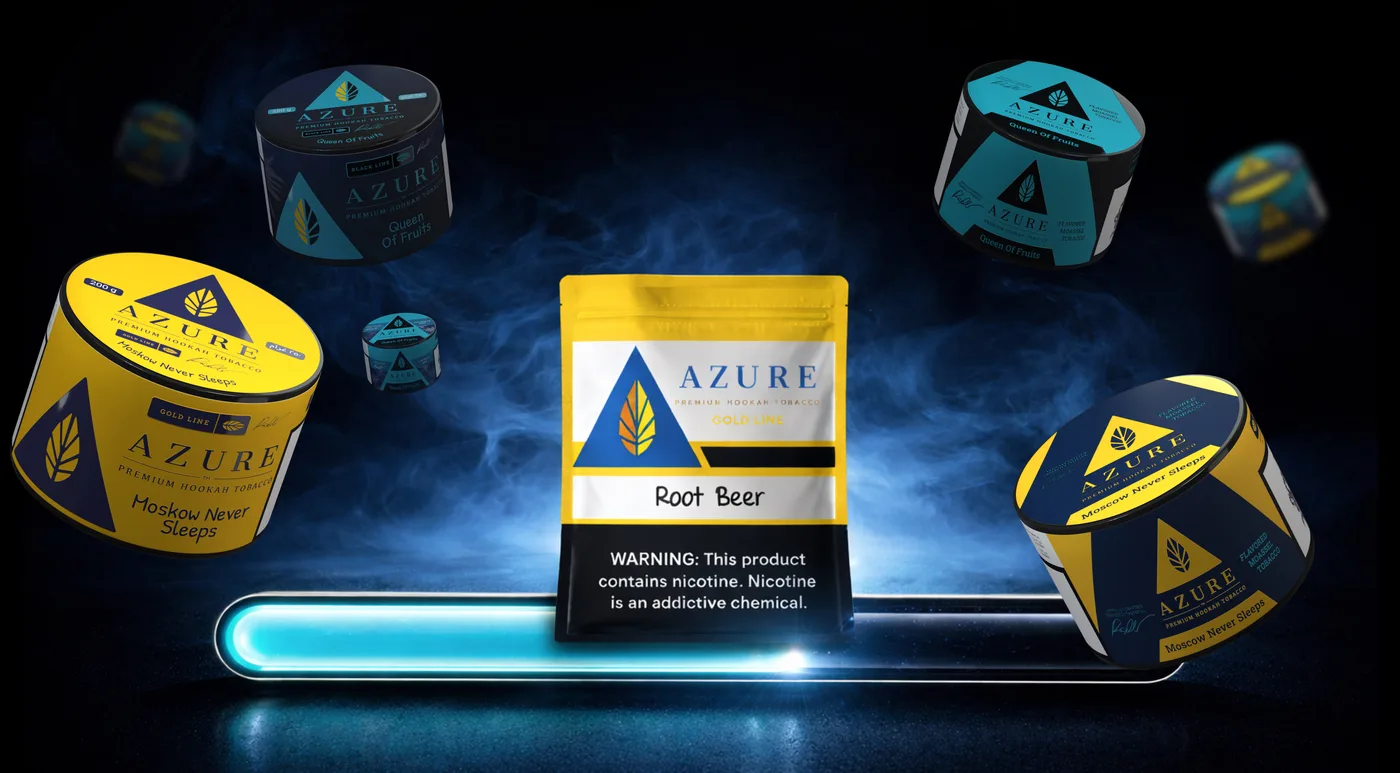 Case in pointAdapting Azure to a new format — the plastic jara new packaging format — from concept to print — see the case
How packaging design development works: the stages
Proper development goes from the task to the solution, not "just make it pretty." Here are the stages:
1. Brief and analysis
What the product is, who the buyer is, where they'll encounter it (shelf / marketplace / display), what competitors look like. Plus the technical inputs: packaging type, material, shape, print budget.
2. Concept
The idea and visual direction: how the product will stand out and read. Not "the colour of the box," but the logic the whole range is built on.
3. Design and range
Drawing up the layout, mapping it onto the real packaging dieline, working through every item in the range so they form one family.
4. Testing in context and as a preview
The layout is viewed in context: next to competitors, as a tiny thumbnail, on a 3D dieline. Many beautiful layouts break right here — and that's fine, that's what testing is for.
5. Prepress and handover to print
Preparing files for a specific printing house: colour profile (CMYK), bleeds, technical marks. One mistake at this step and the colour drifts across the print run. That's why prepress matters no less than the design itself.
What makes up the price of packaging design
Honestly: the range is wide, because "packaging design" can mean a single box or a range of 20 items with print-ready prepress. The cost is driven by:
- The number of items in the range (one SKU or dozens of flavours/varieties).
- The depth of work — just the layout, or also concept, on-pack copywriting, prepress.
- The complexity of the packaging structure and the printer's requirements.
- Whether the brand identity is ready — if there's no brand yet, part of it gets built in here.
Don't focus on the price per layout, focus on the result: will the packaging sell, and will it survive printing without surprises. A cheap layout that the printer rejects or that gets lost in the feed ends up costing more.
Packaging design trends 2026
Trends aren't a reason to follow them blindly, but it's useful to know where the visual language is heading:
- Honest minimalism. Less decoration, more clarity — what it is and why it's useful.
- Bold typography. The name and key message read even in a marketplace thumbnail.
- Sustainability as meaning, not a sticker. Materials and presentation you can believe in.
- Character over sterility. Packaging with the brand's voice is more memorable than "clean but bland."
The main rule above any trend: packaging should solve the sales task, not win a designers' contest.
Common mistakes
- Thinking about the shelf and forgetting the preview — and losing in the marketplace feed.
- Overload. Ten messages on the box = zero read.
- An inconsistent range — items don't read as one brand.
- Skimping on prepress — and colour drifting across the print run.
Where to start
Not with "make the packaging prettier," but with "where will the buyer see it and what will they compare it to." The answer sets everything else. If you want a sober outside view of your current packaging or an idea for a new range — it's free and commitment-free.